Photo credit: ALGAC 2026 Media Team
Building Connections Across Genetics and Bioinformatics:
ABI at SASBi–SAGS BIO2026
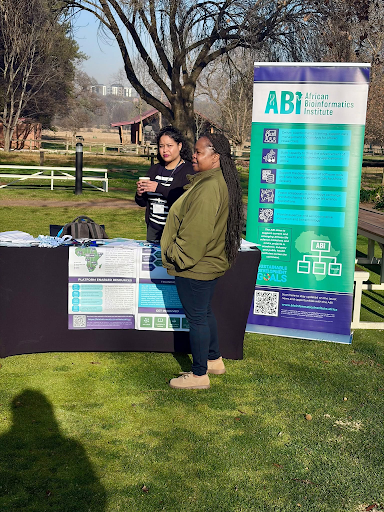
The African Bioinformatics Institute (ABI) recently exhibited at the inaugural African Landscape Genomics Annual Conference (ALGAC) 2026, held from 27–29 July 2026 in Centurion, South Africa.
Hosted by Tshwane University of Technology, ALGAC brought together researchers, students, and organisations working across a diverse range of genomic disciplines, spanning plants, animals, microbes, pathogens, and environmental systems. The conference highlighted the increasingly important role of genomics and bioinformatics in areas including agriculture, biodiversity conservation, One Health, and understanding the impacts of environmental change.
ABI’s exhibition provided an opportunity to introduce the Institute and its growing activities to researchers from across these communities, while connecting with scientists interested in strengthening bioinformatics research, training, and infrastructure on the continent.
These conversations are particularly important as ABI continues to expand its work beyond traditional biomedical applications of bioinformatics. The Institute has been established to support African-led bioinformatics capacity addressing the continent’s health, agricultural, and environmental challenges, making interdisciplinary meetings such as ALGAC an important space for identifying shared needs and opportunities for collaboration.
Agricultural and environmental genomics are areas in which the need for computational capacity is growing rapidly. Increasing volumes of genomic and other biological data create opportunities to better understand crop and livestock diversity, improve breeding programmes, monitor pathogens, conserve biodiversity, and investigate how species respond to changing environments. Turning these data into useful knowledge, however, depends on access to appropriate bioinformatics skills, infrastructure, and expertise.
For ABI, ALGAC therefore provided not only an opportunity to share information about the Institute, but also to listen, learning more about the research being undertaken, the challenges scientists encounter, and where a pan-African bioinformatics network could add value.
We thank Tshwane University of Technology and the ALGAC organising committee for bringing together such a broad and interdisciplinary community, and everyone who stopped by the ABI stand to learn more about the Institute and discuss opportunities for future engagement.
We look forward to continuing these conversations and strengthening connections between bioinformatics and Africa’s agricultural, biodiversity, and environmental genomics communities.
Building Connections Across Genetics and Bioinformatics: ABI at SASBi–SAGS BIO2026
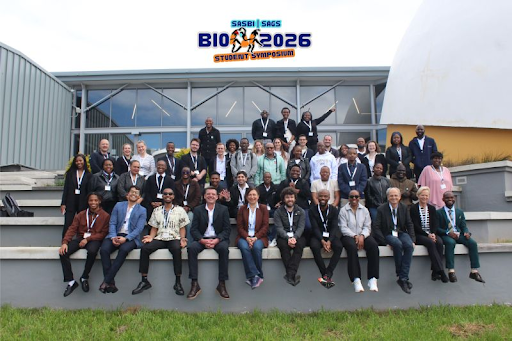
Building Connections Across Genetics and Bioinformatics: ABI at SASBi–SAGS BIO2026The SASBi–SAGS 2026 conferences brought together students, researchers and professionals working across genetics, genomics and bioinformatics, creating a space for scientific exchange and new connections.For the African Bioinformatics Institute (ABI), the events were also an opportunity to connect with members of…
Harnessing Plant Genomics for Africa’s Crops: ABI Supports Plant Pangenome Workshop
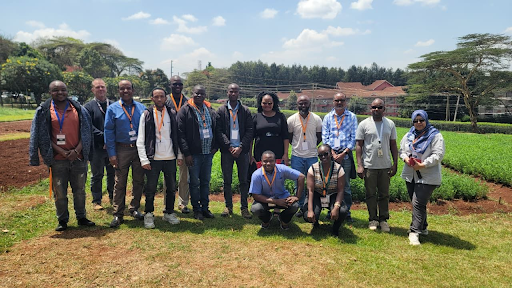
Harnessing Plant Genomics for Africa’s Crops: ABI Supports Plant Pangenome WorkshopHow can genomics help develop crops that are more productive, resilient and suited to Africa’s diverse growing environments? This was at the heart of the Plant Pangenome Workshop, held from 31 August to 4 September at the International Institute of…
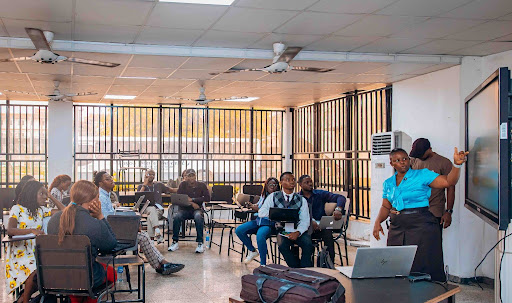
Strengthening Africa’s Genomics Ecosystem: ABI at the CoGSAYR Africa Summit 2026
Strengthening Africa’s Genomics Ecosystem: ABI at the CoGSAYR Africa Summit 2026More than 200 young scientists, researchers and established experts gathered in Lagos, Nigeria, for the CoGSAYR Africa Summit 2026 (29-31 January), united by a shared ambition: to advance genomics and bioinformatics across Africa.For the Consortium of Genomics Students and Young…
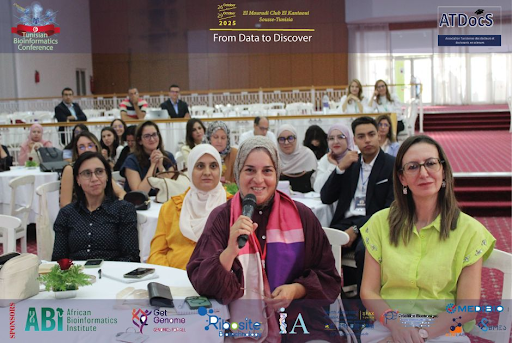
Building Tunisia’s Bioinformatics Community: ABI Supports First Tunisian Bioinformatics Conference
Building Tunisia’s Bioinformatics Community: ABI Supports First Tunisian Bioinformatics ConferenceThe first Tunisian Bioinformatics Conference, held from 26–29 October in Sousse, marked an important milestone for Tunisia’s growing bioinformatics community.Organised by ATDOCS, the four-day conference brought together researchers, students, clinicians, industry representatives and technology specialists to explore the evolving role of…
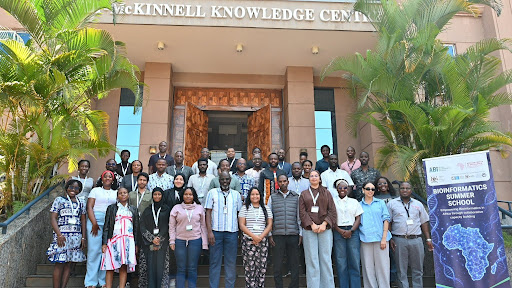
Building Skills, Confidence and Connections: The Inaugural ABI Bioinformatics Summer School in Uganda
Building Skills, Confidence and Connections: The Inaugural ABI Bioinformatics Summer School in UgandaThirty researchers from across Africa came together in Kampala for two weeks of intensive, hands-on bioinformatics training as the African Bioinformatics Institute hosted its inaugural Bioinformatics Summer School in Uganda. From 17–28 August 2026, the African Bioinformatics Institute…

ABI Partners in £10M GEN-IMPACT Africa-Led Genomics Programme
The African Bioinformatics Institute (ABI) is a partner alongside the African Population Cohorts Consortium (APCC) and the Science for Africa Foundation (SFA Foundation), in GEN-IMPACT

Call for Applications: ABI Group Leaders
The African Bioinformatics Institute (ABI) is now accepting applications for Group Leaders. These positions are open to senior bioinformatics researchers
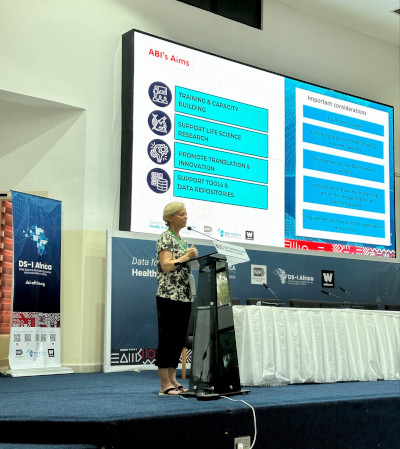
Showcasing the African Bioinformatics Institute at the DS-I Africa Consortium Meeting
On 28 August 2025, the African Bioinformatics Institute (ABI) held a showcase session at the 5th Annual DS-I Africa Consortium Meeting, hosted at the CEDI Conference Centre at the University of Ghana in Accra.

Building the African Bioinformatics Institute: Key Updates from the July Information Session
The African Bioinformatics Institute (ABI) continues to take shape through a series of structured stakeholder engagements. At the most recent information session
Home-grown solutions: The need for African approaches to African problems
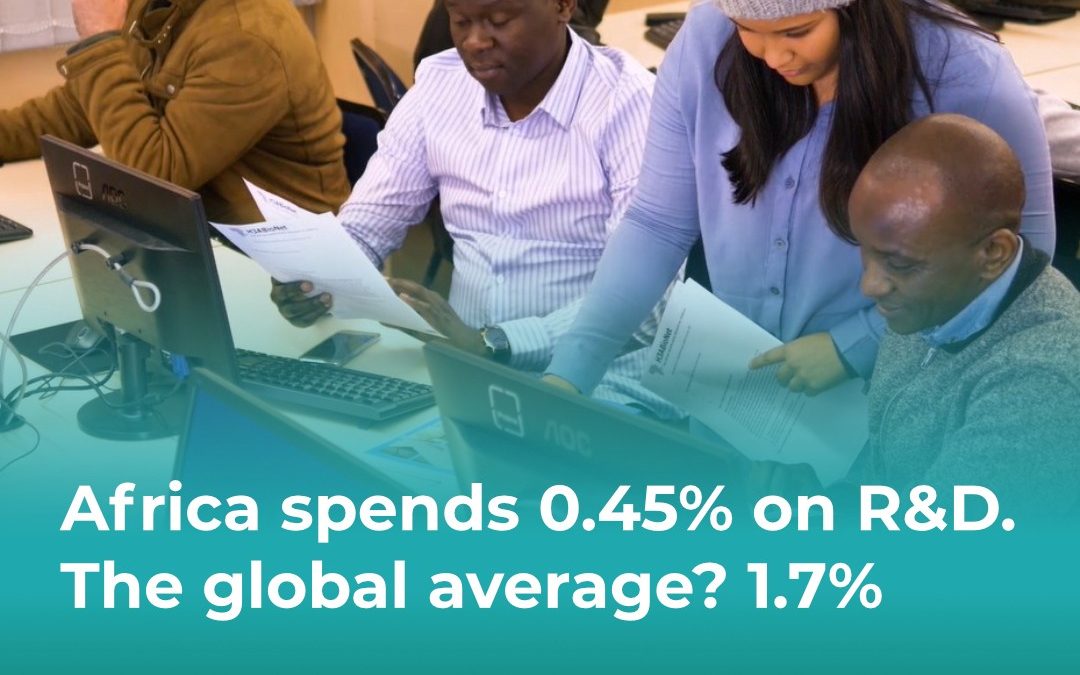
Africa accounts for nearly 19% of the global population, yet produces around 3% of the world's scientific research. The real-life implications are vast and