Strengthening Africa’s Genomics Ecosystem:
ABI at the CoGSAYR Africa Summit 2026
More than 200 young scientists, researchers and established experts gathered in Lagos, Nigeria, for the CoGSAYR Africa Summit 2026 (29-31 January), united by a shared ambition: to advance genomics and bioinformatics across Africa.
For the Consortium of Genomics Students and Young Researchers in Africa (CoGSAYR), the Summit represented the culmination of a year of sustained effort. What began as a small group of students looking for more opportunities to learn, collaborate and connect has grown into one of the continent’s largest communities of young genomics researchers. Through regular virtual meetings and a dedicated organising team, CoGSAYR built the momentum that brought its first continental gathering to life.
The African Bioinformatics Institute (ABI) was proud to support this milestone, contributing to the programme through scientific leadership, training and support for young researchers to participate and share their work.
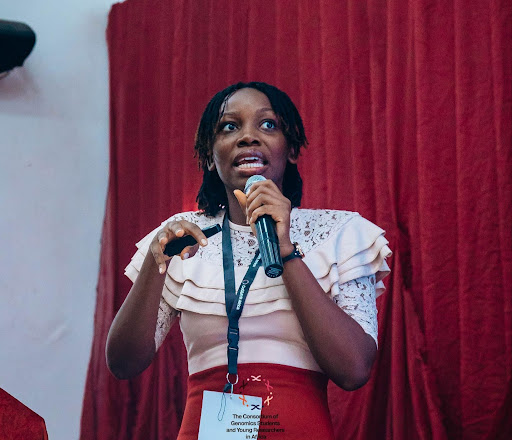
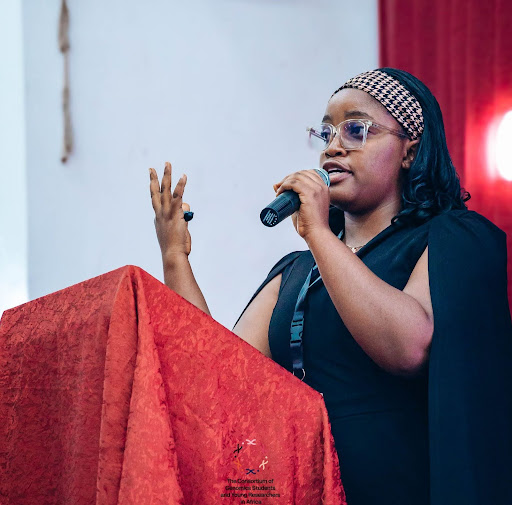
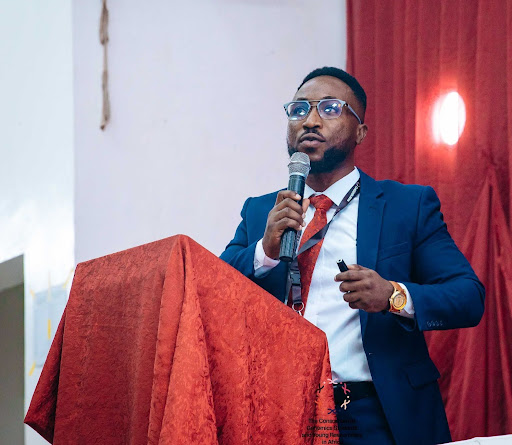
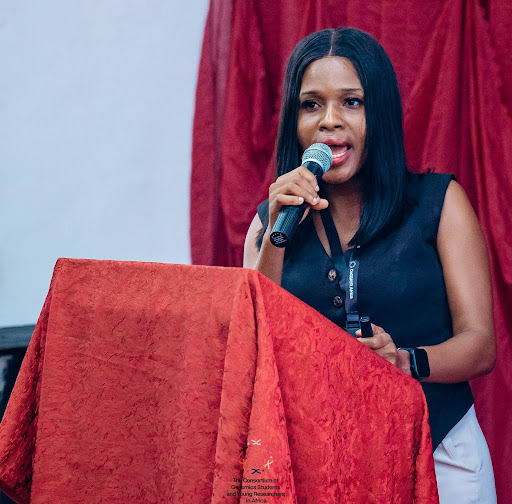
ABI-funded Oral Presenters: Blessing Mercy Babalola, Elvis Poku-Adusei, Magdalene Akhere Osaghae, and Blessing Bassey Ekpenyong.
Connecting genomics to Africa’s needs
The Summit opened with a keynote from Professor Christian Happi, Director of the Institute of Genomics and Global Health, who drew on his experience responding to Ebola, Lassa fever and COVID-19 to highlight the role of genomics in outbreak surveillance, diagnostics and public health.
On the second day, Professor Nicola Mulder, Interim Director of ABI and Head of the Computational Biology Division at the University of Cape Town, explored what it takes to scale genomics solutions across Africa.
Her message was clear: technology alone is not enough. Sustainable progress requires skilled people, high-quality data, responsible data-sharing policies, strong health systems, regional collaboration and government support. Building this enabling environment is central to ABI’s mission of strengthening a connected and resilient bioinformatics ecosystem across the continent.
The Summit’s panel discussions reinforced this message. Academic leaders shared candid experiences of the twists and turns of scientific careers, while industry representatives explored how public–private partnerships can help strengthen research infrastructure, biobanks, health data systems and access to technology.
Scientific presentations showcased the breadth of genomics research taking place across Africa, from cancer and neurology to biodiversity, nutrition and infectious disease. Professor Segun Fatumo highlighted another critical priority: ensuring that African genomic diversity is adequately represented in global datasets and in the development of tools such as polygenic risk scores. Without this representation, the promise of precision medicine cannot be realised equitably.
From conversation to practical skills
For ABI, one of the highlights of the Summit was the opportunity to translate these conversations into practical skills.
ABI supported a hands-on workshop, From Raw Sequences to Pathogen Evolution, facilitated by Ms Olubukola Smile. Participants worked with sequencing data through quality control and preprocessing, variant calling and phylogenetic analysis, learning how these approaches can be used to investigate pathogen evolution and transmission.
For many participants, the workshop provided an opportunity to move beyond theory and work directly with real genomic data. Developing this kind of practical expertise is essential to ensuring that Africa has the skills needed to lead its own genomic research and respond to emerging public health challenges.
ABI also supported young researchers to present their work at the Summit. Their research spanned topics including genomic approaches to parasitology, genetic variants associated with hypertensive heart failure and pharmacogenetic-guided warfarin dosing. For participants, the value of the experience extended beyond presenting their research: it was an opportunity to exchange ideas, build networks and see how their work connects to a wider African genomics community.
Young scientists building the future
Perhaps the most striking feature of the Summit was the leadership of the young scientists behind it. The Local Organising Committee, made up largely of students and early-career researchers from across the health and life sciences, transformed a year of virtual collaboration into a successful continental meeting.
Their achievement reflects something larger happening across Africa: a generation of young scientists is not simply waiting for opportunities to emerge. They are creating them.
The CoGSAYR Africa Summit showed what can happen when grassroots scientific communities are supported by institutions committed to developing Africa’s research capacity. It brought together established expertise and emerging talent, created opportunities for practical learning and opened new connections across countries and disciplines.
The Summit may have ended, but the work continues. Sustaining this momentum will require continued investment in training, infrastructure, collaboration and locally led research.
ABI is proud to support initiatives such as CoGSAYR that are helping build the skills, networks and partnerships that will shape Africa’s genomic future.
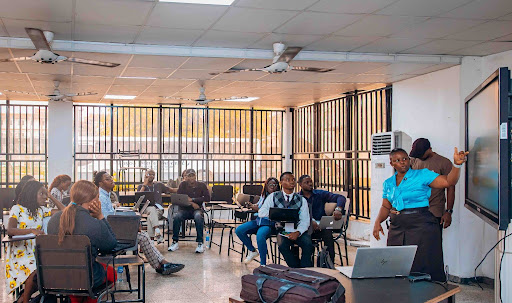
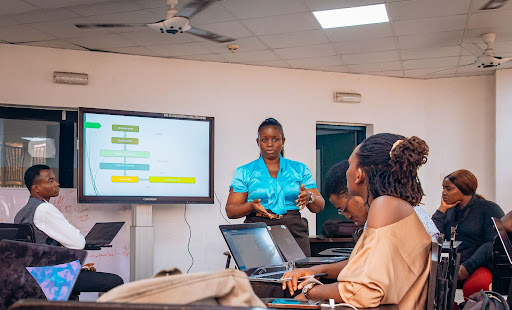
ABI led workshop titled “From Raw Sequences to Pathogen Evolution” facilitated by Ms. Olubukola Smile.
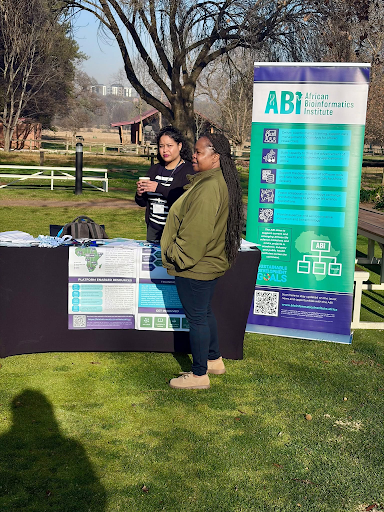
ABI connects with Africa’s landscape genomics community at ALGAC 2026
Photo credit: ALGAC 2026 Media TeamBuilding Connections Across Genetics and Bioinformatics: ABI at SASBi–SAGS BIO2026The African Bioinformatics Institute (ABI) recently exhibited at the inaugural African Landscape Genomics Annual Conference (ALGAC) 2026, held from 27–29 July 2026 in Centurion, South Africa.Hosted by Tshwane University of Technology, ALGAC brought together researchers, students,…
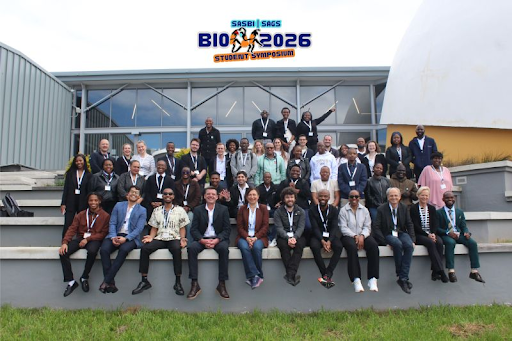
Building Connections Across Genetics and Bioinformatics: ABI at SASBi–SAGS BIO2026
Building Connections Across Genetics and Bioinformatics: ABI at SASBi–SAGS BIO2026The SASBi–SAGS 2026 conferences brought together students, researchers and professionals working across genetics, genomics and bioinformatics, creating a space for scientific exchange and new connections.For the African Bioinformatics Institute (ABI), the events were also an opportunity to connect with members of…
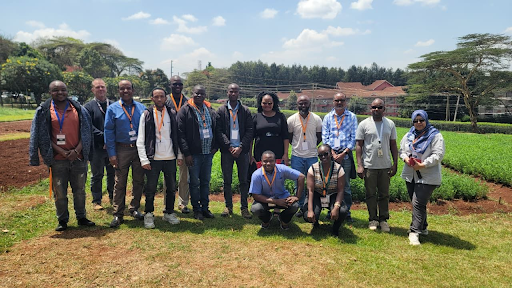
Harnessing Plant Genomics for Africa’s Crops: ABI Supports Plant Pangenome Workshop
Harnessing Plant Genomics for Africa’s Crops: ABI Supports Plant Pangenome WorkshopHow can genomics help develop crops that are more productive, resilient and suited to Africa’s diverse growing environments? This was at the heart of the Plant Pangenome Workshop, held from 31 August to 4 September at the International Institute of…
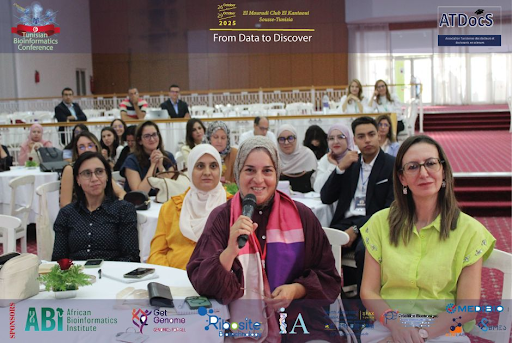
Building Tunisia’s Bioinformatics Community: ABI Supports First Tunisian Bioinformatics Conference
Building Tunisia’s Bioinformatics Community: ABI Supports First Tunisian Bioinformatics ConferenceThe first Tunisian Bioinformatics Conference, held from 26–29 October in Sousse, marked an important milestone for Tunisia’s growing bioinformatics community.Organised by ATDOCS, the four-day conference brought together researchers, students, clinicians, industry representatives and technology specialists to explore the evolving role of…
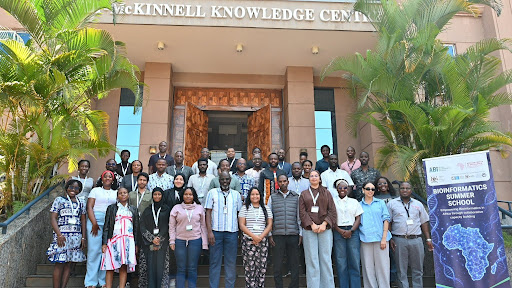
Building Skills, Confidence and Connections: The Inaugural ABI Bioinformatics Summer School in Uganda
Building Skills, Confidence and Connections: The Inaugural ABI Bioinformatics Summer School in UgandaThirty researchers from across Africa came together in Kampala for two weeks of intensive, hands-on bioinformatics training as the African Bioinformatics Institute hosted its inaugural Bioinformatics Summer School in Uganda. From 17–28 August 2026, the African Bioinformatics Institute…

ABI Partners in £10M GEN-IMPACT Africa-Led Genomics Programme
The African Bioinformatics Institute (ABI) is a partner alongside the African Population Cohorts Consortium (APCC) and the Science for Africa Foundation (SFA Foundation), in GEN-IMPACT

Call for Applications: ABI Group Leaders
The African Bioinformatics Institute (ABI) is now accepting applications for Group Leaders. These positions are open to senior bioinformatics researchers
Showcasing the African Bioinformatics Institute at the DS-I Africa Consortium Meeting
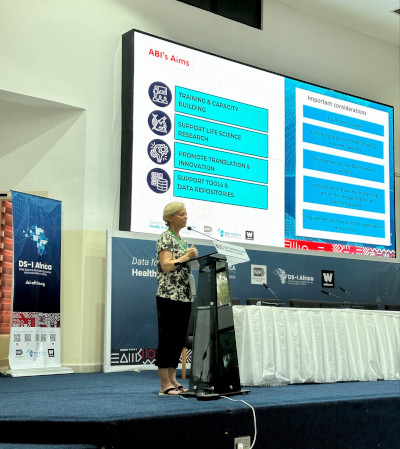
On 28 August 2025, the African Bioinformatics Institute (ABI) held a showcase session at the 5th Annual DS-I Africa Consortium Meeting, hosted at the CEDI Conference Centre at the University of Ghana in Accra.

Building the African Bioinformatics Institute: Key Updates from the July Information Session
The African Bioinformatics Institute (ABI) continues to take shape through a series of structured stakeholder engagements. At the most recent information session
Home-grown solutions: The need for African approaches to African problems
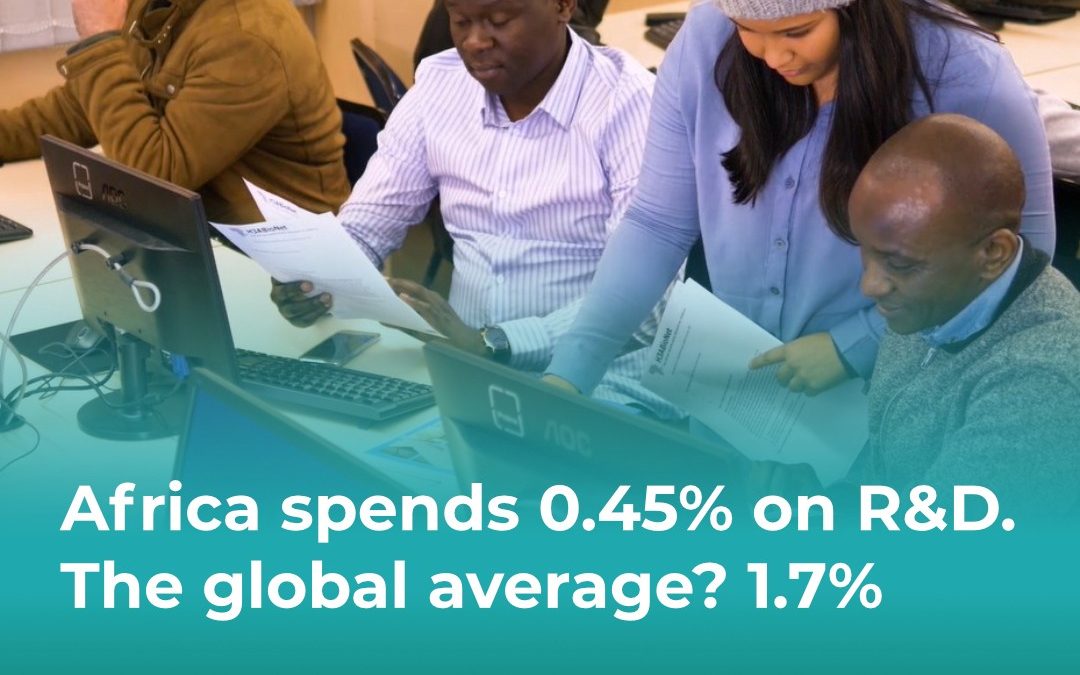
Africa accounts for nearly 19% of the global population, yet produces around 3% of the world's scientific research. The real-life implications are vast and