From Data to Discovery:
APBA and ABI Bring African Plant Breeders Together for an Agri-Informatics Hackathon in Cape Town
Cape Town, South Africa | October 2026
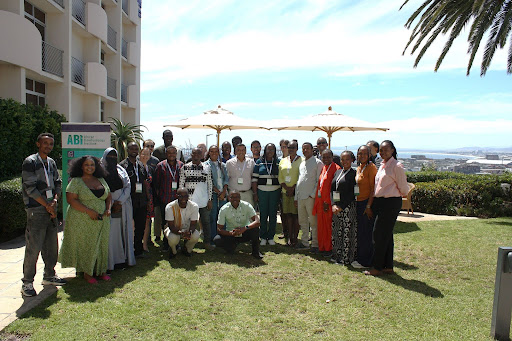
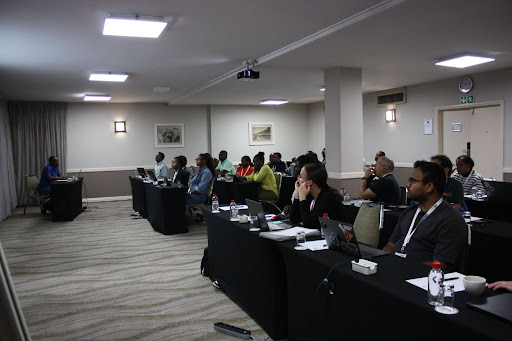
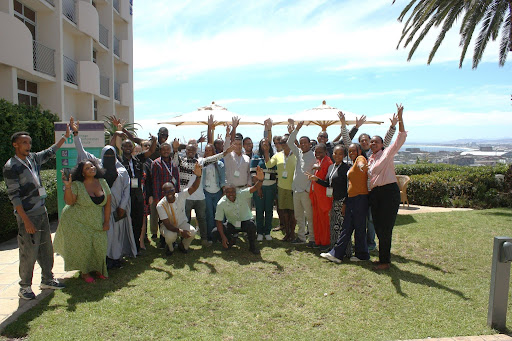
The African Bioinformatics Institute (ABI), in partnership with the African Plant Breeders Association (APBA), recently hosted the APBA/ABI Joint Agri-Informatics Bring Your Own Data (BYOD) Hackathon, bringing together plant breeders, researchers and bioinformatics experts for five days of intensive, hands-on data analysis and collaborative learning.
Held from 5–9 October 2026 in Cape Town, South Africa, the hackathon aimed to strengthen practical bioinformatics and data analysis capacity in agricultural research, helping African scientists translate complex genomic and breeding datasets into meaningful research findings and actionable outcomes for crop improvement.
Bridging the Gap Between Data and Discovery
Advances in genomic technologies are creating exciting opportunities to accelerate crop improvement, enhance agricultural productivity, and strengthen food security across Africa. However, while the generation of genomic and other agricultural datasets continues to grow, many researchers face challenges in accessing the specialised analytical skills, tools, and mentorship required to fully realise their potential.
The APBA/ABI hackathon sought to address this gap through a practical, problem-solving approach to capacity development.
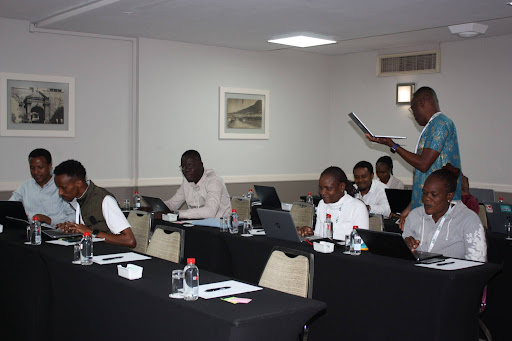
Unlike conventional training workshops, where participants typically work through predetermined exercises and example datasets, the BYOD model encouraged researchers to bring their own data and research questions. This enabled participants to work directly on challenges relevant to their ongoing projects, with guidance from experienced trainers and mentors.
The initiative attracted strong interest, receiving over 100 applications for approximately 20 available places, highlighting both the demand for advanced, applied bioinformatics training and the need for opportunities that support researchers in moving their own projects forward.
Five Days of Collaboration, Analysis, and Problem-Solving
Throughout the week, participants worked closely with a team of international and African experts, receiving targeted support in areas such as experimental design, quantitative genetics, genomic prediction, statistical analysis, and the application of computational approaches to plant breeding.
The programme placed particular emphasis on collaborative problem-solving, peer learning, and individualised mentorship. Rather than focusing solely on acquiring new technical skills, participants were encouraged to critically evaluate their datasets, refine analytical approaches, interpret findings, and work towards tangible research outputs, including figures, analytical results, and draft manuscripts suitable for further development and publication.
The hackathon also built on a preparatory online lecture series delivered by APBA and ABI ahead of the in-person event. Covering topics such as experimental design, quantitative genetics, genomic prediction, and machine learning, the series provided an important foundation for participants while extending learning opportunities to a wider audience beyond the selected hackathon cohort.
By combining accessible online learning with intensive, in-person mentorship, the initiative demonstrated the value of flexible training models that respond directly to researchers’ needs.
Building Capacity Beyond the Hackathon
Beyond the immediate analytical work, the hackathon provided an opportunity to establish new connections between plant breeders, bioinformaticians, and researchers working across different institutions and agricultural research areas.
A key ambition of the initiative is to ensure that the work initiated during the hackathon continues beyond the five-day programme. Participants were encouraged to build on their analyses, further develop their research outputs, and maintain connections with mentors and peers as they progress towards publication and the practical application of their findings.
The event also highlighted the importance of strengthening the interface between plant breeding and bioinformatics. As genomic and computational technologies become increasingly central to agricultural research, building sustainable analytical expertise within African institutions will be essential to ensuring that locally generated data can inform locally relevant solutions.
Strengthening Partnerships for African Agricultural Research
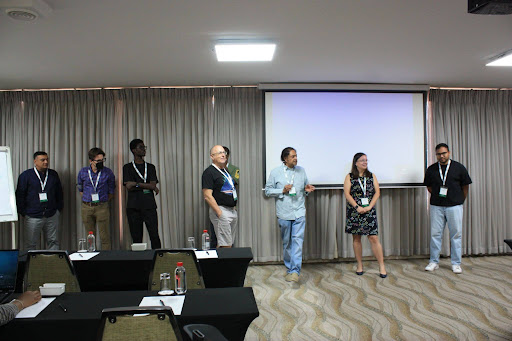
The successful delivery of the hackathon reflects the shared commitment of APBA and ABI to strengthening scientific capacity, fostering collaboration, and promoting the application of bioinformatics to address Africa’s agricultural challenges.
By bringing together complementary expertise in plant breeding, genomics, and computational biology, the partnership provides a valuable platform for developing practical training opportunities that respond to the evolving needs of African researchers.
The organisers extend their sincere appreciation to the trainers and mentors who generously contributed their time and expertise, the participants for their enthusiasm and dedication, and the wider teams who supported the planning and delivery of the event.
The APBA/ABI Agri-Informatics BYOD Hackathon represents an important step towards building a stronger, more connected African research community, equipped not only to generate valuable agricultural data, but also to translate that data into scientific discoveries and innovations that support the future of crop improvement across the continent.
For more information about ABI training initiatives and to access recordings from the preparatory lecture series, visit www.bioinformaticsinstitute.africa
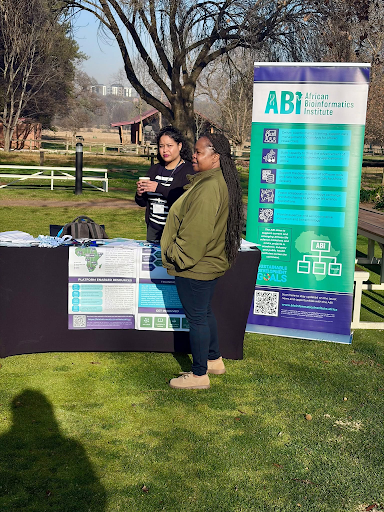
ABI connects with Africa’s landscape genomics community at ALGAC 2026
Photo credit: ALGAC 2026 Media TeamBuilding Connections Across Genetics and Bioinformatics: ABI at SASBi–SAGS BIO2026The African Bioinformatics Institute (ABI) recently exhibited at the inaugural African Landscape Genomics Annual Conference (ALGAC) 2026, held from 27–29 July 2026 in Centurion, South Africa.Hosted by Tshwane University of Technology, ALGAC brought together researchers, students,…
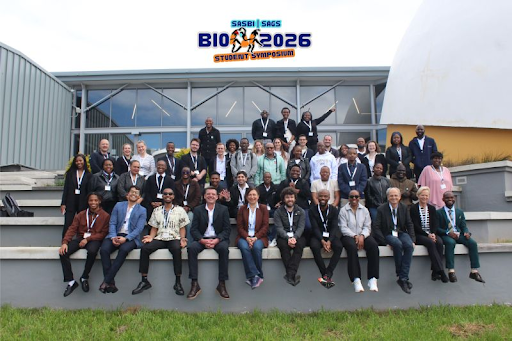
Building Connections Across Genetics and Bioinformatics: ABI at SASBi–SAGS BIO2026
Building Connections Across Genetics and Bioinformatics: ABI at SASBi–SAGS BIO2026The SASBi–SAGS 2026 conferences brought together students, researchers and professionals working across genetics, genomics and bioinformatics, creating a space for scientific exchange and new connections.For the African Bioinformatics Institute (ABI), the events were also an opportunity to connect with members of…
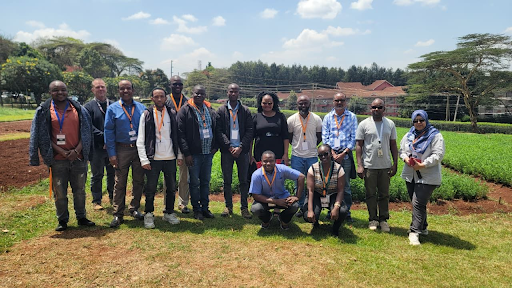
Harnessing Plant Genomics for Africa’s Crops: ABI Supports Plant Pangenome Workshop
Harnessing Plant Genomics for Africa’s Crops: ABI Supports Plant Pangenome WorkshopHow can genomics help develop crops that are more productive, resilient and suited to Africa’s diverse growing environments? This was at the heart of the Plant Pangenome Workshop, held from 31 August to 4 September at the International Institute of…
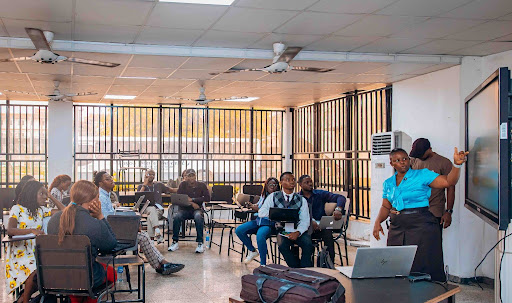
Strengthening Africa’s Genomics Ecosystem: ABI at the CoGSAYR Africa Summit 2026
Strengthening Africa’s Genomics Ecosystem: ABI at the CoGSAYR Africa Summit 2026More than 200 young scientists, researchers and established experts gathered in Lagos, Nigeria, for the CoGSAYR Africa Summit 2026 (29-31 January), united by a shared ambition: to advance genomics and bioinformatics across Africa.For the Consortium of Genomics Students and Young…
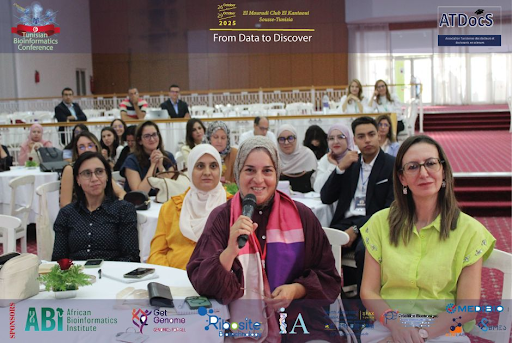
Building Tunisia’s Bioinformatics Community: ABI Supports First Tunisian Bioinformatics Conference
Building Tunisia’s Bioinformatics Community: ABI Supports First Tunisian Bioinformatics ConferenceThe first Tunisian Bioinformatics Conference, held from 26–29 October in Sousse, marked an important milestone for Tunisia’s growing bioinformatics community.Organised by ATDOCS, the four-day conference brought together researchers, students, clinicians, industry representatives and technology specialists to explore the evolving role of…
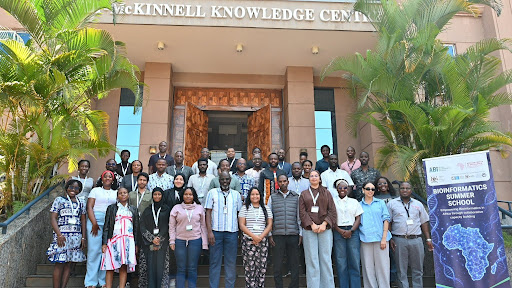
Building Skills, Confidence and Connections: The Inaugural ABI Bioinformatics Summer School in Uganda
Building Skills, Confidence and Connections: The Inaugural ABI Bioinformatics Summer School in UgandaThirty researchers from across Africa came together in Kampala for two weeks of intensive, hands-on bioinformatics training as the African Bioinformatics Institute hosted its inaugural Bioinformatics Summer School in Uganda. From 17–28 August 2026, the African Bioinformatics Institute…

ABI Partners in £10M GEN-IMPACT Africa-Led Genomics Programme
The African Bioinformatics Institute (ABI) is a partner alongside the African Population Cohorts Consortium (APCC) and the Science for Africa Foundation (SFA Foundation), in GEN-IMPACT

Call for Applications: ABI Group Leaders
The African Bioinformatics Institute (ABI) is now accepting applications for Group Leaders. These positions are open to senior bioinformatics researchers
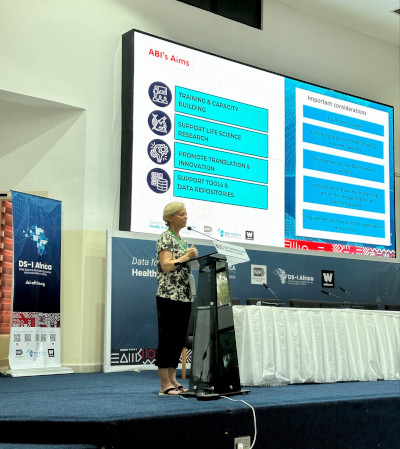
Showcasing the African Bioinformatics Institute at the DS-I Africa Consortium Meeting
On 28 August 2025, the African Bioinformatics Institute (ABI) held a showcase session at the 5th Annual DS-I Africa Consortium Meeting, hosted at the CEDI Conference Centre at the University of Ghana in Accra.

Building the African Bioinformatics Institute: Key Updates from the July Information Session
The African Bioinformatics Institute (ABI) continues to take shape through a series of structured stakeholder engagements. At the most recent information session